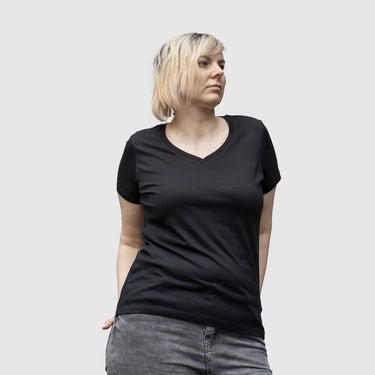

When it comes to protecting your skin from the sun, clothing is your first line of defence. But not all garments offer the same level of protection. That's where UPF comes in—a simple rating system that tells you how effectively fabric blocks harmful ultraviolet (UV) rays.
What Does UPF Mean?
UPF stands for Ultraviolet Protection Factor. It measures how much UV radiation (both UVA and UVB) can penetrate a fabric.
- UPF 15–20: Good protection
- UPF 25–35: Very good protection
- UPF 40–50+: Excellent protection
A UPF50+ fabric blocks at least 98% of UV rays, allowing only a tiny fraction to reach your skin. This makes it the highest and most effective rating for sun-protective clothing.

What Makes Clothing Sun-Protective?
UPF isn't just about labels—it's influenced by several physical characteristics of the garment:
1. Fabric Type (Natural vs Synthetic)
Natural fabrics like organic cotton, linen, and hemp can provide good sun protection—especially when tightly woven.
- Cotton: Breathable and protective when dense
- Linen: Cooling but often more loosely woven
- Hemp: Naturally durable with strong UV resistance
The key factor isn't just the fibre—it's how the fabric is constructed.
2. Fabric Weight (GSM)
GSM (grams per square metre) indicates fabric thickness.
- Lightweight fabrics → allow more UV through
- Midweight to heavyweight fabrics → block more UV
For example, a heavy boxy cotton tee will typically provide better sun protection than a thin, lightweight summer top.
3. Colour Matters More Than You Think
Colour plays a major role in UV protection:
- Darker colours (black, navy, graphite) absorb more UV and offer better protection
- Lighter colours (white, pastels) reflect light but may allow more UV through
That said, darker fabrics can feel warmer—so balancing colour with breathability is key.
4. Fabric Weave and Density
A tightly woven fabric blocks more UV rays than a loose weave.
A simple test:
Hold the fabric up to light—if you can see through it easily, UV rays can likely pass through too.
5. Fit and Stretch
Loose-fitting clothing provides better protection than tight garments.
Why? Stretching fabric creates tiny gaps that allow more UV radiation to pass through. Relaxed, boxy silhouettes help maintain fabric density and coverage.
6. Coverage: The More, The Better
The amount of skin covered significantly impacts protection.
- Long sleeves > sleeveless
- High necklines > deep cuts
- Hats > exposed scalp and face
Accessories like bucket hats with UPF50+ ratings can offer essential protection for areas often exposed to direct sunlight.
Does Wet or Worn Fabric Reduce Protection?
Yes. Fabric performance can change over time:
- Wet fabrics may lose some UV-blocking ability
- Worn or stretched garments become less effective
- Repeated washing can either improve or reduce protection depending on the fabric
This is why structured, durable fabrics tend to perform better in the long run.
Why UPF50+ Matters in Everyday Clothing
You don't need specialised gear to protect yourself—you just need to understand what to look for. Choosing the right combination of:
- Natural fibres
- Heavier fabric weight
- Darker colours
- Relaxed fits
- Good coverage
can significantly improve your daily sun protection.
Final Thoughts
UPF50+ clothing isn't just about labels—it's about how a garment is made. By paying attention to fabric, weight, colour, and fit, you can build a wardrobe that protects your skin while staying breathable and comfortable through summer.
If you're already choosing natural fabrics, you're on the right track—just make sure they're working as hard as they should in the sun.
Sun-friendly Fashion Ideas
Organic Cotton Bucket Hat — UPF50+
 Our organic cotton bucket hat is rated UPF50+, offering maximum sun protection for face, scalp and neck — while staying breathable and stylish.
Linen is for all seasons
Linen shirts make for a perfect pairing in a capsule wardrobe. Learn how to style linen every season.