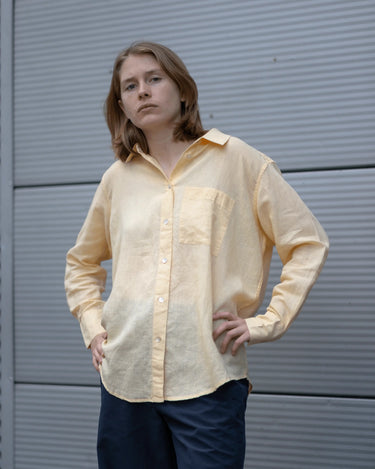

When choosing summer clothing, most people think about comfort first. But your clothes can also play a major role in protecting your skin from harmful UV rays. The colour of the fabric, its weight, and even the way it fits can all affect how much sunlight reaches your skin.
A lightweight white T-shirt may feel cool on a hot day, but it often provides far less protection than a darker, heavier, loose-fitting garment. Understanding these differences can help you build a summer wardrobe that stays breathable while offering better protection from the sun.
Why Clothing Matters for Sun Protection
Clothing acts as a physical barrier between your skin and ultraviolet radiation. Unlike sunscreen, which wears off and needs reapplying, fabrics provide continuous protection throughout the day.
The effectiveness of sun-protective clothing depends on several factors:
- Colour
- Fabric weight (GSM)
- Weave density
- Fit and stretch
- Amount of skin coverage
These elements work together to determine how much UV radiation can pass through the fabric.
Do Dark Colours Protect Better from the Sun?
Yes—darker colours generally provide better UV protection than lighter shades.
Dark fabrics absorb more ultraviolet radiation before it reaches your skin, while lighter fabrics allow more UV penetration through the material.
Best Colours for UV Protection
The following colours tend to offer stronger protection:
- Black
- Dark grey / graphite
- Navy
- Deep green
- Dark brown
These shades absorb more UV rays and are especially effective when combined with tightly woven fabrics.
Are White Clothes Bad for Sun Protection?
Not necessarily—but they are usually less protective.
White and pastel garments reflect visible light and heat, which can help you feel cooler. However, many light-coloured fabrics allow more UV radiation to pass through, especially when they are thin or loosely woven.
A heavyweight white cotton tee can still provide decent protection, but a lightweight semi-sheer white top may offer very little.
Fabric Weight Matters More Than Most People Realise
One of the biggest factors in sun protection is fabric thickness, often measured as GSM (grams per square metre).
What Is GSM?
GSM refers to the weight and density of a fabric.
- Low GSM = lighter, thinner fabric
- High GSM = heavier, denser fabric
Generally, heavier fabrics block more UV radiation because there are fewer gaps for sunlight to penetrate.
Lightweight vs Heavyweight Fabrics for Summer
Lightweight Fabrics
Lightweight fabrics feel airy and breathable but often provide lower UV protection.
Examples:
- Thin jersey cotton
- Lightweight linen
- Gauze cotton
These fabrics may become semi-transparent under strong sunlight.
Midweight & Heavyweight Fabrics
Heavier fabrics usually offer significantly better sun protection.
Examples:
- Heavy cotton tees
- Dense hemp fabrics
- Structured organic cotton
A heavyweight boxy cotton T-shirt, for example, often provides far better UV resistance than a thin fitted summer tee.
The ideal balance for summer is usually a midweight breathable fabric that combines airflow with sufficient density.


Tight vs Loose Clothing: Which Protects Better?
Loose-fitting clothing generally provides better sun protection than tight garments.
Why Tight Clothing Reduces UV Protection
When fabric stretches across the body:
- Fibres spread apart
- Tiny gaps form in the weave
- More UV rays pass through
This is especially common in thin stretch fabrics.
Why Relaxed Fits Work Better
Loose and boxy silhouettes maintain the fabric's natural density while improving airflow around the body.
Benefits include:
- Better UV protection
- Improved breathability
- Reduced heat retention
- Greater comfort in hot weather
Oversized shirts, relaxed trousers and loose dresses are often more effective for sun safety than tight-fitting clothing.
The Best Combination for Sun Protection
The most effective sun-protective clothing usually combines:
- Darker colours
- Midweight or heavyweight fabric
- Tight weave construction
- Loose, relaxed fits
- Good skin coverage
For example:
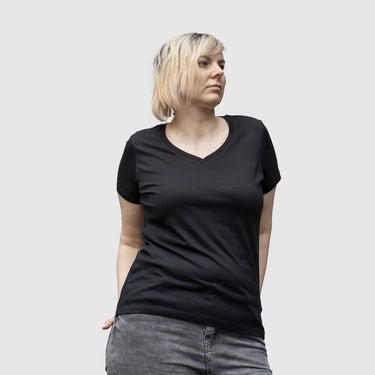
- A dark heavyweight organic cotton tee offers excellent everyday protection
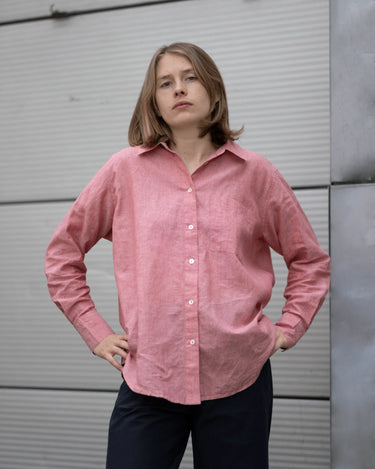
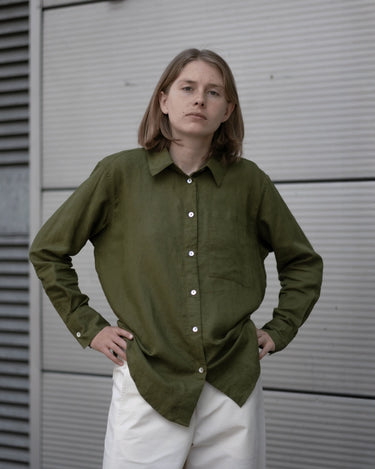
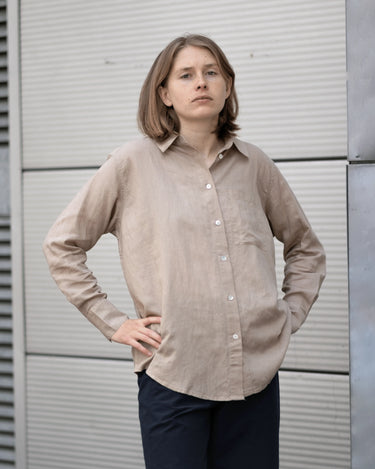
- A relaxed linen shirt provides breathable coverage
- A UPF50+ organic cotton bucket hat protects the face, scalp and neck
Does Breathability Still Matter?
Absolutely.
The goal isn't simply to wear the thickest clothing possible—it's to find fabrics that balance protection with comfort. Natural fibres like organic cotton, hemp and linen help regulate temperature while still offering varying levels of UV resistance.
Breathable fabrics encourage consistent wear during hot weather, making them more practical for daily summer protection.
Simple Tips for Choosing Better Sun-Protective Clothing
Choose Darker Shades
Black, graphite and navy usually protect better than white or pastel colours.
Look for Dense Fabrics
If light easily passes through the fabric, UV rays probably can too.
Avoid Ultra-Thin Materials
Very lightweight fabrics often provide minimal protection.
Prioritise Relaxed Fits
Loose clothing protects better and feels cooler in summer.
Increase Coverage
Long sleeves, longer hems and hats help reduce direct exposure.
Final Thoughts
The best summer clothing doesn't just keep you cool—it helps protect your skin too. Fabric colour, weight and fit all influence how much UV radiation reaches your body.
For the best balance of comfort and protection, choose:
- Breathable natural fabrics
- Midweight or heavyweight materials
- Darker shades
- Relaxed silhouettes with good coverage
Combined thoughtfully, these elements can help you stay comfortable and better protected throughout the summer months.
Shop Sun-Friendly Wrenby's Styles
- Organic Cotton Bucket Hat — UPF50+, breathable, unisex
- Organic Cotton T-Shirts — midweight and heavyweight options
- Linen Shirts — relaxed, breathable, natural fibre