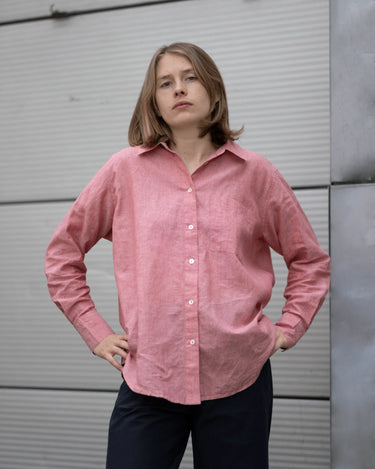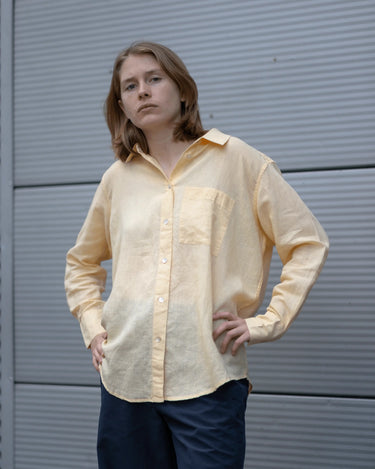

The short answer? It depends on how you spend your summer.
Both linen and cotton have earned a place in warm-weather wardrobes for good reason. They’re natural fibres, breathable and comfortable to wear. But when temperatures rise, humidity climbs and you want clothes that feel effortless all day long, the differences between them become more noticeable.
If you're deciding between linen and cotton for summer clothing, this guide breaks down comfort, breathability, moisture management, durability and styling to help you choose the fabric that suits you best.
What Makes Linen and Cotton Different?
Although both are plant-based fibres, they come from different sources.
Linen
Linen is made from the flax plant. The fibres are naturally long, strong and structured, giving linen its recognisable texture and relaxed appearance.
Cotton
Cotton comes from the cotton plant and produces softer, smoother fibres that feel familiar and easy to wear.
At first glance they can seem interchangeable, but their performance in heat is different.
Breathability: Which Fabric Keeps You Cooler?
Winner: Linen
If your priority is staying cool, linen usually has the advantage.
Linen fibres create more airflow between the skin and fabric, helping body heat escape more efficiently. The fabric also tends to sit slightly away from the body rather than cling.
This makes linen particularly useful for:
- Hot summer days
- Humid climates
- Travel
- Long periods outdoors
Cotton is also breathable, especially lighter-weight cottons, but it generally holds more moisture against the skin.
Choose linen if:
✓ You overheat easily
✓ You want airy outfits
✓ You spend time outdoors
Comfort: Which Feels Better Against Skin?
Winner: Cotton (initially)
Cotton tends to feel softer immediately.
Good-quality cotton feels smooth, familiar and comfortable from first wear, making it an easy everyday option.
Linen behaves differently.
New linen can feel slightly crisp at first but softens over time and repeated wear.
Choose cotton if:
✓ You prefer softer textures
✓ You want structured casual basics
✓ You like low-maintenance dressing
Moisture Management: Which Handles Sweat Better?
Winner: Linen
Summer comfort isn't only about airflow.
Linen absorbs moisture and releases it quickly, helping clothes feel fresher throughout the day.
Cotton absorbs moisture effectively too but tends to retain it longer.
For:
- commuting
- city walking
- holidays
- hot afternoons
linen often feels drier for longer.
Styling: Which Looks More Effortless?
Winner: Depends on your wardrobe
Linen gives:
- relaxed elegance
- natural texture
- elevated simplicity
- easy resort styling
Great for:
- oversized shirts
- relaxed trousers
- summer layering
Cotton gives:
- cleaner silhouettes
- everyday versatility
- sharper casual looks
- wardrobe basics
Great for:
- tees
- tanks
- structured shirts
- everyday essentials
Many of the most versatile summer wardrobes combine both.
Durability: Which Lasts Longer?
Winner: Linen
Linen fibres are naturally strong.
When cared for properly, linen garments can remain wardrobe favourites for years and often soften rather than deteriorate.
Cotton durability varies significantly depending on:
- fibre length
- fabric weight
- construction quality
Heavyweight and well-made cotton can also last exceptionally well.
Sustainability Considerations
Both fabrics can be lower-impact choices than synthetic materials depending on sourcing and production.
When shopping, look beyond fibre labels and consider:
- fibre origin
- fabric weight
- trims and finishes
- dye processes
- garment longevity
Natural fibres that are worn often and kept for years typically deliver more value than trend-led purchases.
So, Is Linen Better Than Cotton for Summer?
If your goal is maximum breathability and effortless warm-weather dressing:
→ choose linen.
If your goal is softness and easy everyday versatility:
→ choose cotton.
If you're building a summer wardrobe:
→ choose both.
A breathable linen shirt for hotter days and well-made cotton essentials for everyday wear often creates the most flexible combination.
Summer style doesn't have to mean choosing one fabric over another.
It means choosing pieces you'll actually want to wear when the temperature rises.
Related Reading
- How to Style Linen Shirts Every Season
- Best Colours to Wear During Summer
- Plastic-Free Fashion Checklist: How to Spot Truly Natural Clothing
- The 10 Signs of High-Quality Sustainable Clothing