

When dressing for summer, most people focus on staying cool. But the right fabric can also help protect your skin from harmful UV rays. While sunscreen is essential, clothing is your first everyday barrier against sun exposure—and some natural fabrics perform much better than others.
The best sun-protective clothing balances four key factors:
- UV protection
- Breathability
- Fabric weight and weave
- Comfort in hot weather
Here's how the most popular natural fabrics rank for summer sun protection.
1. Hemp — Best Overall for Natural Sun Protection
Hemp is one of the most effective natural fabrics for blocking UV rays. Its fibres are naturally dense and durable, creating a fabric structure that helps reduce UV penetration without needing synthetic treatments.
Why Hemp Performs So Well
- Dense fibre structure improves UV blocking
- Strong and durable for long-term wear
- Breathable despite its heavier feel
- Naturally resistant to wear and thinning
Hemp fabrics are often woven tightly, which increases their UV protection even further. Midweight hemp garments can achieve surprisingly high UPF performance while remaining breathable enough for warm climates.
Best Hemp Styles for Summer
- Oversized shirts
- Lightweight jackets
- Relaxed trousers
- Wide-brim hats
Best for: Maximum natural UV protection with durability.
2. Organic Cotton — Best Everyday Sun-Protective Fabric
Organic cotton is one of the best all-round fabrics for daily summer wear. It's breathable, soft, and versatile—and when woven densely or made in heavier weights, it offers excellent sun protection.
Not all cotton performs equally, though.
What Makes Cotton More Protective?
- Heavier fabric weight (higher GSM)
- Tight weave construction
- Darker colours like black or graphite
- Relaxed fits that prevent stretching
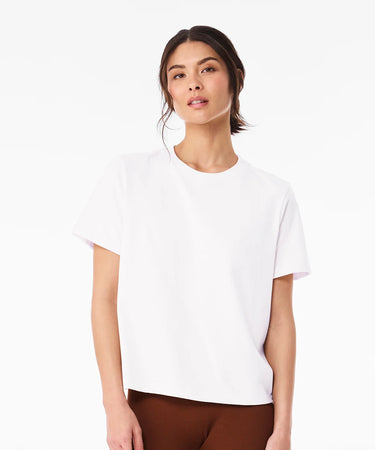
For example, a heavyweight boxy cotton tee typically blocks more UV rays than a thin fitted T-shirt.
Organic Cotton vs Standard Cotton
Organic cotton itself doesn't automatically increase UV protection, but it's often produced with higher-quality fibres and more durable construction. It also avoids harsh chemical processing, making it ideal for sensitive summer skin.
Best Cotton Styles for Sun Protection
- Heavyweight tees
- Long-sleeve shirts
- Bucket hats
- Relaxed dresses and trousers
Best for: Breathable everyday protection and comfort.
3. Linen — Best for Breathability in Extreme Heat
Linen is a summer favourite because it allows heat to escape easily and dries quickly. However, when it comes to UV protection, linen can be slightly less effective than hemp or heavyweight cotton because it's commonly woven more loosely.
Linen's Strengths
- Extremely breathable
- Cooling against the skin
- Moisture-wicking
- Lightweight and airy
The Downside
Many linen garments are semi-sheer or loosely woven, which allows more UV rays to pass through.
That doesn't mean linen is ineffective—it simply performs best when:
- The weave is tight
- The fabric is midweight rather than ultra-light
- The garment provides good skin coverage
Best Linen Styles for Sun Protection
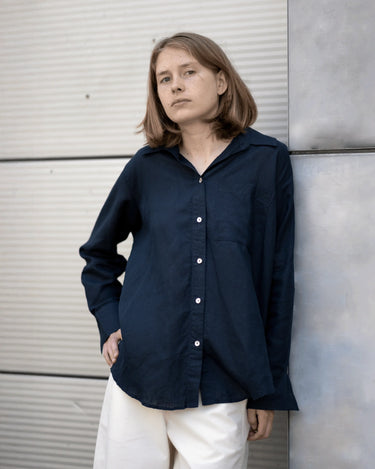
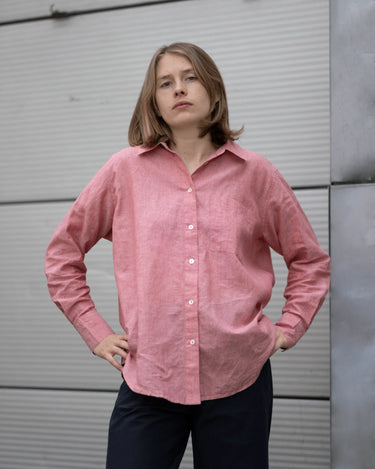
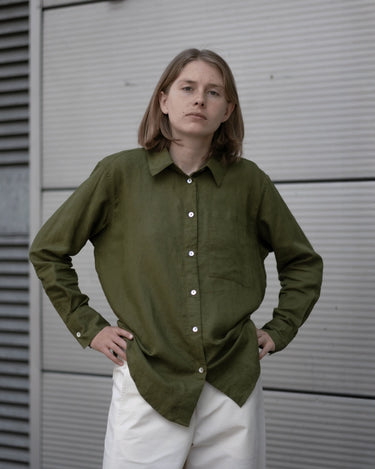
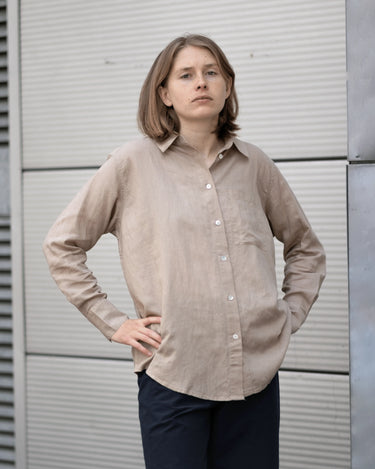
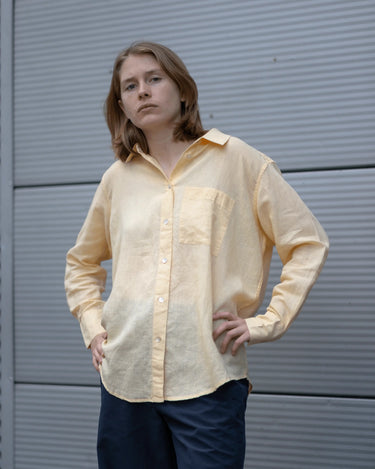
- Loose long-sleeve shirts
- Linen co-ords
- Wide-leg trousers
- Midi dresses
Best for: Staying cool while maintaining moderate UV protection.

4. Bamboo Fabric — Soft but Variable Protection
Bamboo-based fabrics are known for softness and moisture control, but their UV performance varies depending on how the material is processed.
Most “bamboo” clothing is actually bamboo viscose or rayon, meaning the original fibre has been heavily processed.
Bamboo Fabric Pros
- Very soft and lightweight
- Comfortable in humidity
- Good moisture absorption
Things to Watch
Many bamboo garments are thin and stretchy, which can reduce UV protection. Lightweight bamboo jerseys may allow more sunlight through than structured cotton or hemp fabrics.
Best Bamboo Styles
- Layering tops
- Loose casual wear
- Lightweight loungewear
Best for: Comfort and softness rather than maximum UV blocking.
5. Lightweight Gauze Cotton — Cool but Least Protective
Double gauze and ultra-light cotton fabrics feel incredible in hot weather, but they usually provide the least sun protection because of their open weave and low fabric density.
If you can easily see light through the fabric, UV rays can also pass through more easily.
How to Improve Protection
- Choose darker shades
- Layer garments
- Wear looser silhouettes with more coverage
- Pair with UPF-rated accessories like hats
Best for: Airflow and comfort in lower sun exposure conditions.
How Colour Affects UV Protection
Fabric colour plays a surprisingly important role in sun protection.
Darker Colours
- Absorb more UV radiation
- Usually offer better protection
- Examples: black, navy, graphite, olive
Lighter Colours
- Reflect visible heat and light
- May allow more UV penetration
- Examples: white, cream, pastel shades
A dark heavyweight cotton tee will generally protect better than a thin white one.
Why Fabric Weight (GSM) Matters
GSM stands for grams per square metre and indicates how heavy or dense a fabric is.
Higher GSM Fabrics
- Better UV blocking
- More durable
- Less transparent
Lower GSM Fabrics
- Cooler and lighter
- More breathable
- Often less protective
For summer clothing, midweight fabrics usually provide the best balance between comfort and protection.
New
bestseller


Loose Fits Protect Better Than Tight Clothing
Fit matters just as much as fabric.
Tight clothing stretches fibres apart, creating tiny gaps that allow more UV rays through. Relaxed and boxy silhouettes maintain fabric density and improve airflow at the same time.
That's why oversized shirts, relaxed trousers, and loose dresses are often better for sun protection than tight-fitting garments.
Final Ranking: Best Natural Fabrics for Sun Protection
1. Hemp
Best overall UV protection and durability.
2. Organic Cotton
Best everyday balance of comfort, breathability, and protection.
3. Linen
Best cooling performance with moderate UV protection.
4. Bamboo
Soft and breathable but variable protection depending on weight.
5. Lightweight Gauze Cotton
Comfortable in heat but offers the least UV resistance.
Final Thoughts
The best natural fabric for sun protection isn't just about fibre type—it's about the combination of:
- Fabric weight
- Weave density
- Colour
- Fit
- Skin coverage
For the best summer protection, choose tightly woven natural fabrics in darker shades with relaxed silhouettes and good coverage. Add UPF50+ accessories like bucket hats for extra protection where the sun hits most.
Sun-friendly Fashion Ideas
Organic Cotton Bucket Hats
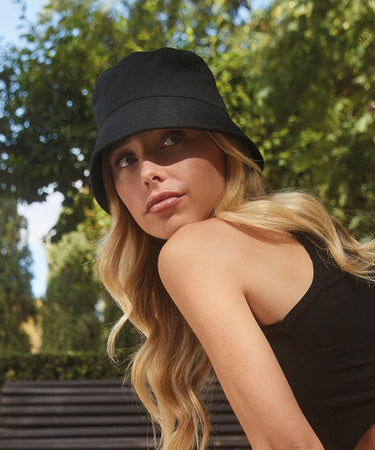
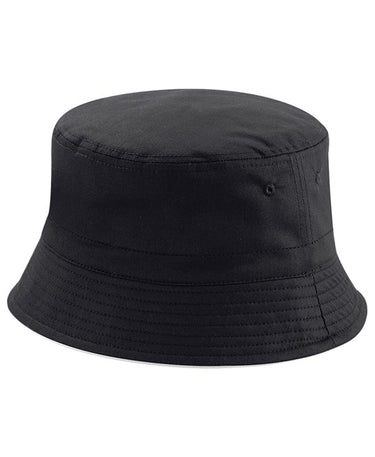
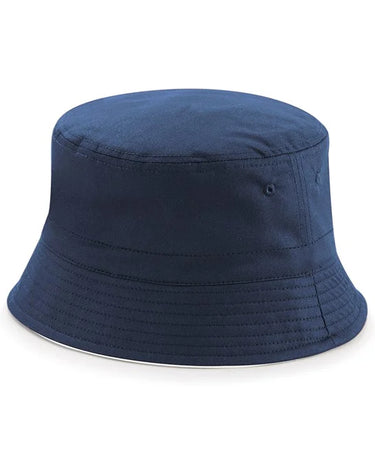
 Made from 100% organic cotton, these classic hats are not just a trendy summer staple, they also offer highest sun protection with UPF50+ (highest) rating. Shop organic cotton bucket hats.















)