
If you’ve just realised how much elastane is hiding in your wardrobe, you’re not alone.
From skinny jeans to fitted tops, stretch fabrics have become the default in modern fashion. But as we explored in “Why Elastane Is the Biggest Hidden Plastic Problem”, that convenience comes at a cost — both for the environment and for how clothing feels, especially in warm weather.
The good news is this:
you don’t need stretch to feel comfortable, confident, or well-dressed.
This guide explores what to wear instead of elastane — and how thoughtful design can replace stretch entirely.
Quick Answer: What Can You Wear Instead of Elastane?
Instead of elastane-based clothing, choose garments made from natural fabrics with relaxed fits, adjustable features like draw cords, and tailored silhouettes that allow movement without relying on synthetic stretch.
Why Stretch Clothing Became So Popular
Before replacing elastane, it helps to understand why it became so widespread.
Stretch fabrics offer:
-
ease of fit across body types
-
close-fitting silhouettes
-
convenience in mass production
But they also:
-
trap heat
-
cling to the body
-
reduce breathability
-
introduce plastic into your wardrobe
In summer, these drawbacks become even more noticeable.
The Shift: From Stretch to Structure
True comfort doesn’t come from cling — it comes from freedom of movement, airflow, and thoughtful design.
Instead of relying on elastane, well-designed clothing uses:
-
relaxed silhouettes
-
strategic tailoring
-
adjustable features
This approach feels lighter, cooler, and more natural on the body.
What to Wear Instead of Elastane
Here are the best alternatives that combine comfort, style, and sustainability.
1. Relaxed-Fit Trousers Instead of Skinny Jeans
Skinny jeans rely heavily on elastane for stretch and fit.
A better alternative:
-
wide-leg or straight-leg trousers in cotton or linen
Why they work:
-
allow airflow in warm weather
-
move naturally with your body
-
feel lighter and less restrictive
They also create a more modern, effortless silhouette.
2. Wrap Skirts Instead of Elasticated Styles
Elastic waistbands are one of the most common sources of hidden elastane.
Try:
-
wrap skirts with adjustable ties
Benefits:
-
customisable fit without synthetic stretch
-
comfortable across body changes
-
elegant and versatile
Wrap designs offer flexibility while remaining completely plastic-free.
3. Drawcord Waistbands Instead of Elastic
Instead of stretch waistbands, look for:
-
cotton drawstrings
-
adjustable ties
-
structured waistbands with fastening options
Why this matters:
Drawcords provide comfort without compression and allow you to adjust fit throughout the day.
4. Tailored Tops Instead of Stretch-Fit Tees
Fitted tops often rely on elastane to hug the body.
Better alternatives include:
-
tank tops in structured cotton or cotton-linen blends
-
relaxed-fit shirts
Advantages:
-
breathable
-
non-clingy
-
hold their shape naturally
Well-cut tops don’t need stretch to look flattering.
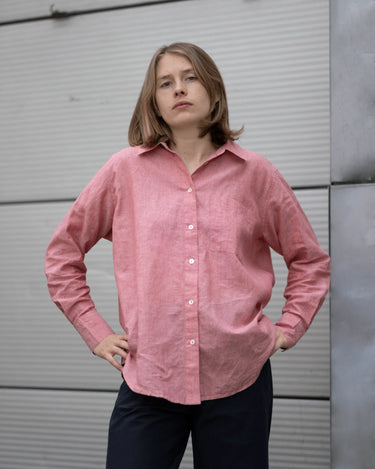
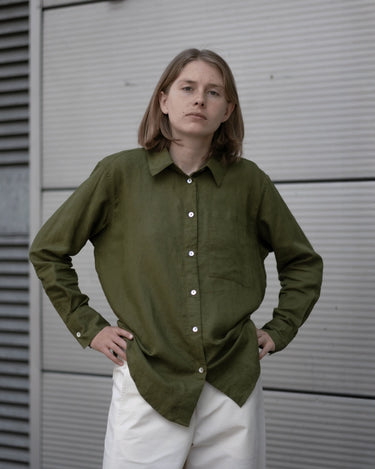
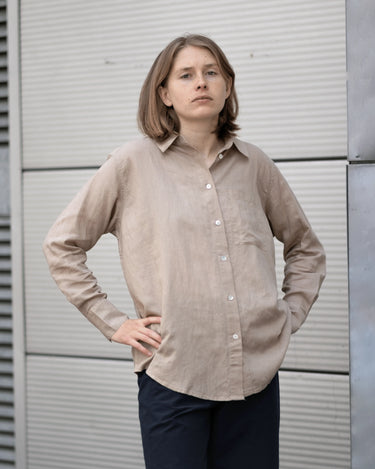
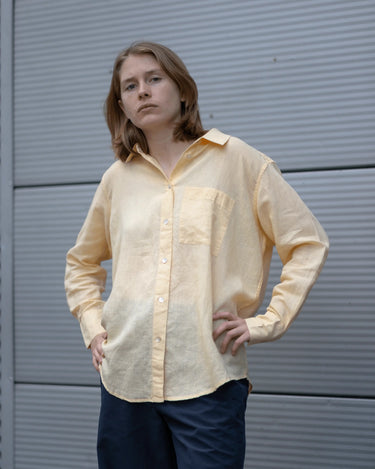
5. Loose Shirts Instead of Body-Hugging Styles
Instead of tight shirts with elastane, choose:
-
slightly oversized or relaxed button-down shirts
Why they’re better:
-
allow air circulation
-
layer easily
-
suit multiple occasions
A relaxed shirt can be styled in many ways without ever feeling restrictive.
6. Pleats and Panels Instead of Stretch Panels
Good design often replaces stretch with structure.
Look for:
-
pleats for movement
-
panelled construction
-
gathered details
These features create flexibility without synthetic fibres.
7. Natural Fabrics That Move With You
Fabric choice plays a major role.
Best options:
-
cotton
-
linen
-
cotton-linen blends
These materials:
-
breathe better than synthetics
-
soften over time
-
adapt to your body naturally
How to Feel Comfortable Without Stretch
Making the shift away from elastane is as much about mindset as clothing.
Focus on:
-
fit, not tightness
-
movement, not compression
-
ease, not control
When clothes are designed well, they don’t need to stretch to feel good.
Common Concerns (And Why They’re Not a Problem)
“Will relaxed clothes look too oversized?”
Not if balanced correctly. Pair relaxed bottoms with structured tops, or vice versa.
“Will I lose shape without stretch?”
No — tailoring and fabric drape create shape naturally.
“Will it feel less comfortable?”
In most cases, the opposite is true — especially in warm weather.
The Bigger Benefit: Dressing for Summer, Naturally
Choosing alternatives to elastane isn’t just about avoiding plastic.
It’s about:
-
staying cool in heat
-
simplifying your wardrobe
-
wearing clothes that feel good all day
Relaxed silhouettes, breathable fabrics, and thoughtful design create a wardrobe that works with your body — not against it.
Key Takeaways
-
You don’t need elastane for comfort — design can replace stretch
-
Relaxed fits improve airflow and ease of movement
-
Drawcords and wrap styles offer flexibility without plastic
-
Natural fabrics outperform synthetics in warm weather
Plastic-free Fashion
Why Elastane (Spandex) Is a Recycling “Killer Fiber”
Learn what makes elastane the worst for recycling

Linen is for all seasons
Linen is a versatile fabric that can be worn all year round. Learn how to style linen every season.